The Many Uses of Aluminum Castings: A Comprehensive Overview for Market Professionals
Aluminum spreadings play a crucial function across numerous markets, many thanks to their special residential properties. These durable and lightweight components are vital in automotive and aerospace applications. Comprehending their benefits and the production processes included can considerably influence performance and effectiveness. As innovation developments, new innovations continue to emerge. Industry specialists have to think about these aspects to make informed choices. The ramifications of these developments are worth checking out better.
Benefits of Aluminum Castings in Different Industries
Light weight aluminum spreadings use many benefits throughout various markets, making them a favored choice for many applications. One of the key advantages is their lightweight nature, which contributes to general power effectiveness in transport and equipment. This decreased weight also improves ease of handling and installment, causing reduced labor costs.
Furthermore, light weight aluminum castings display superb deterioration resistance, extending the life expectancy of parts in harsh settings. Their thermal and electric conductivity allows for effective warm dissipation and effective electric applications.
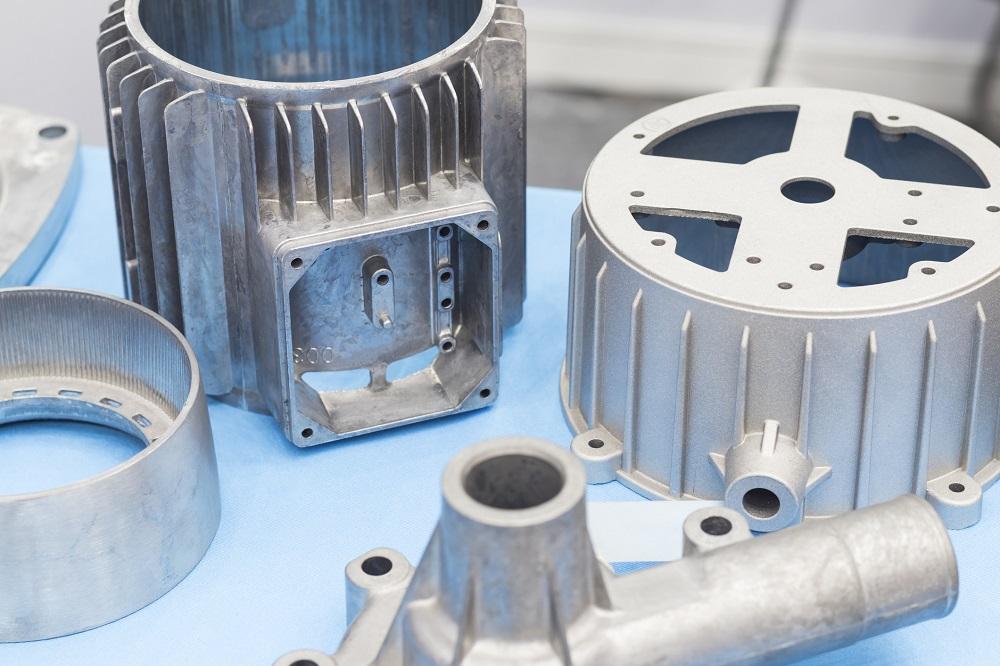
Additionally, aluminum can be conveniently alloyed and controlled, making it possible for the creation of complex forms and designs that meet particular design demands. This flexibility sustains technology in sectors such as auto, aerospace, and customer goods.
The recyclability of aluminum lines up with sustainable techniques, making it an eco friendly alternative for modern-day manufacturing. Generally, the advantages of aluminum castings position them as vital products in numerous fields.
Secret Production Processes for Light Weight Aluminum Castings
A variety of making procedures are used to create aluminum castings, each customized to satisfy certain application demands and production volumes. Among the most common methods are sand spreading, die casting, and investment spreading.
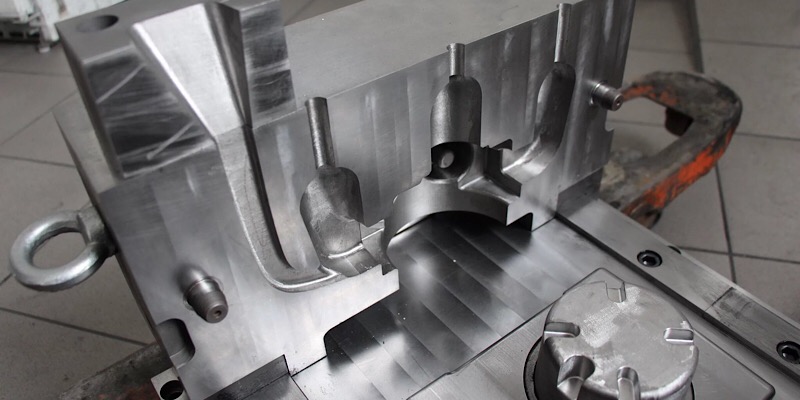
Financial investment spreading, likewise called lost-wax spreading, supplies outstanding surface coatings and intricate details, often used for smaller sized, accuracy elements. Furthermore, gravity casting makes use of the force of gravity to fill molds, appropriate for bigger castings where accuracy is less essential. Each procedure has its advantages, dealing with diverse commercial requirements while making best use of efficiency and quality in aluminum casting manufacturing.
Applications of Light Weight Aluminum Castings in Automotive and Aerospace
In many applications within the aerospace and auto industries, light weight aluminum castings play an essential function as a result of their lightweight properties and superb strength-to-weight ratio. In the auto market, elements such as engine blocks, transmission situations, and wheel rims are often generated using aluminum spreadings. These parts take advantage of reduced weight, causing improved gas efficiency and improved efficiency.
In aerospace, light weight aluminum castings are important for architectural parts, consisting of aircraft frames, landing gear, and engine real estates. The product's resistance to deterioration and ability to withstand heats make it ideal for these demanding applications. Furthermore, light weight aluminum castings help with complex geometries, making it possible for the layout of detailed parts that add to general aircraft performance.
Innovations and Developments in Light Weight Aluminum Spreading Innovation
As markets remain to develop, developments in light weight aluminum spreading technology are driving substantial enhancements in performance and performance. Advanced strategies such as 3D printing and spreading simulation software have changed typical techniques, permitting a lot more exact styles and find out this here decreased waste. These technologies enable manufacturers to develop complicated geometries that were formerly unattainable, improving the flexibility of aluminum castings.
Additionally, the development of brand-new alloy structures and treatment techniques has improved mechanical buildings, making spreadings lighter yet stronger. Automated procedures are likewise being integrated, minimizing human mistake and boosting production speed.
Ideal Practices for Utilizing and picking Aluminum Castings
When making use of and choosing light weight aluminum castings, cautious consideration of certain criteria can considerably influence the last item's efficiency and longevity. Industry specialists should evaluate the details application needs, including load-bearing abilities, deterioration resistance, and thermal conductivity. Choosing the appropriate alloy is vital, as different alloys provide differing characteristics and strengths.
Furthermore, recognizing the spreading procedure-- whether sand spreading, pass away casting, or investment spreading-- will certainly influence the end product's high quality and cost-effectiveness. Quality control steps, such as non-destructive screening and dimensional assessments, are necessary to assure that the castings satisfy market criteria.
Furthermore, proper handling and storage of aluminum castings can avoid damages, guaranteeing peak efficiency. Teaming up with reputable vendors that prioritize high quality control can boost the reliability of the finished elements. By adhering to these best practices, market professionals can optimize the benefits of light weight aluminum castings in their applications.
Frequently Asked Inquiries
What Are the Environmental Influences of Light Weight Aluminum Casting Production?
Light weight aluminum spreading production can result in significant environmental effects, including greenhouse gas exhausts, power usage, and resource exhaustion. Additionally, inappropriate waste management may cause soil and water contamination, impacting regional communities and communities.
Just How Do Light Weight Aluminum Castings Contrast to Other Steel Castings?
Aluminum castings are lighter and corrosion-resistant contrasted to other steel spreadings like iron or find out here steel. They provide exceptional thermal and electric conductivity, making them excellent for applications where weight and sturdiness are vital variables.
What Is the Price Distinction Between Light Weight Aluminum and Various Other Materials?
The expense of light weight aluminum spreadings usually ranges from moderate to high, typically more budget-friendly than stainless steel however pricier than some plastic alternatives. Wisconsin Aluminum Foundry. Aspects such as production complexity, material, and quantity specifications substantially influence general rates
Can Aluminum Castings Be Reused?
Light weight aluminum castings can certainly be recycled. This process significantly reduces energy usage and environmental impact contrasted to generating brand-new light weight aluminum, making reusing an essential method in advertising sustainability and source preservation within different markets.
What Precaution Should Be Taken During Aluminum Spreading Processes?
During aluminum casting processes, vital security procedures consist of using protective gear, ensuring correct air flow, making use of heat-resistant devices, preserving devices, and complying with safety protocols to stop direct exposure to dangerous materials and decrease the threat of accidents. (Aluminum Castings)
Sand spreading entails creating a mold and mildew from sand, permitting for complex forms and big castings. Financial investment spreading, also known as lost-wax casting, provides outstanding surface finishes and complex information, usually utilized for smaller sized, precision components. Additionally, gravity casting uses the force of gravity to load molds, appropriate for bigger castings where accuracy is much less vital. Furthermore, understanding the casting process-- whether sand spreading, die spreading, or financial investment spreading-- will influence the last product's top quality and cost-effectiveness. Aluminum castings are lighter and corrosion-resistant compared to other metal spreadings like iron or steel.